Reasons to filter
Tap water is not as pure as you might think; here’s 6 very good reasons to filter your water
#1: PFAS/PFOS
PFAS is short for poly & perfluoroalkyl substances. PFAS are man-made chemicals that have been used since the 1950’s for many products such as lubricants, non-stick coatings, food packaging & water-resistant textiles. One of these substances is PFOS (perfluorooctane sulfonic acid), which is mainly used in aviation (a key ingredient in fire-resistant fuel) & fire-fighting foams.
Why are PFAS in tap water?
PFAS are widely used and don’t degrade. They accumulate in the environment (which is why they’re called “forever chemicals”). PFAS are found in the air, soil & water sources across the globe. Levels of PFAS have been detected in municipal wastewater & drinking water samples worldwide.

What are the health effects of PFAS?
PFAS have been linked to cancer, thyroid problems, increased cholesterol, and birth defects.
#2: Glyphosate
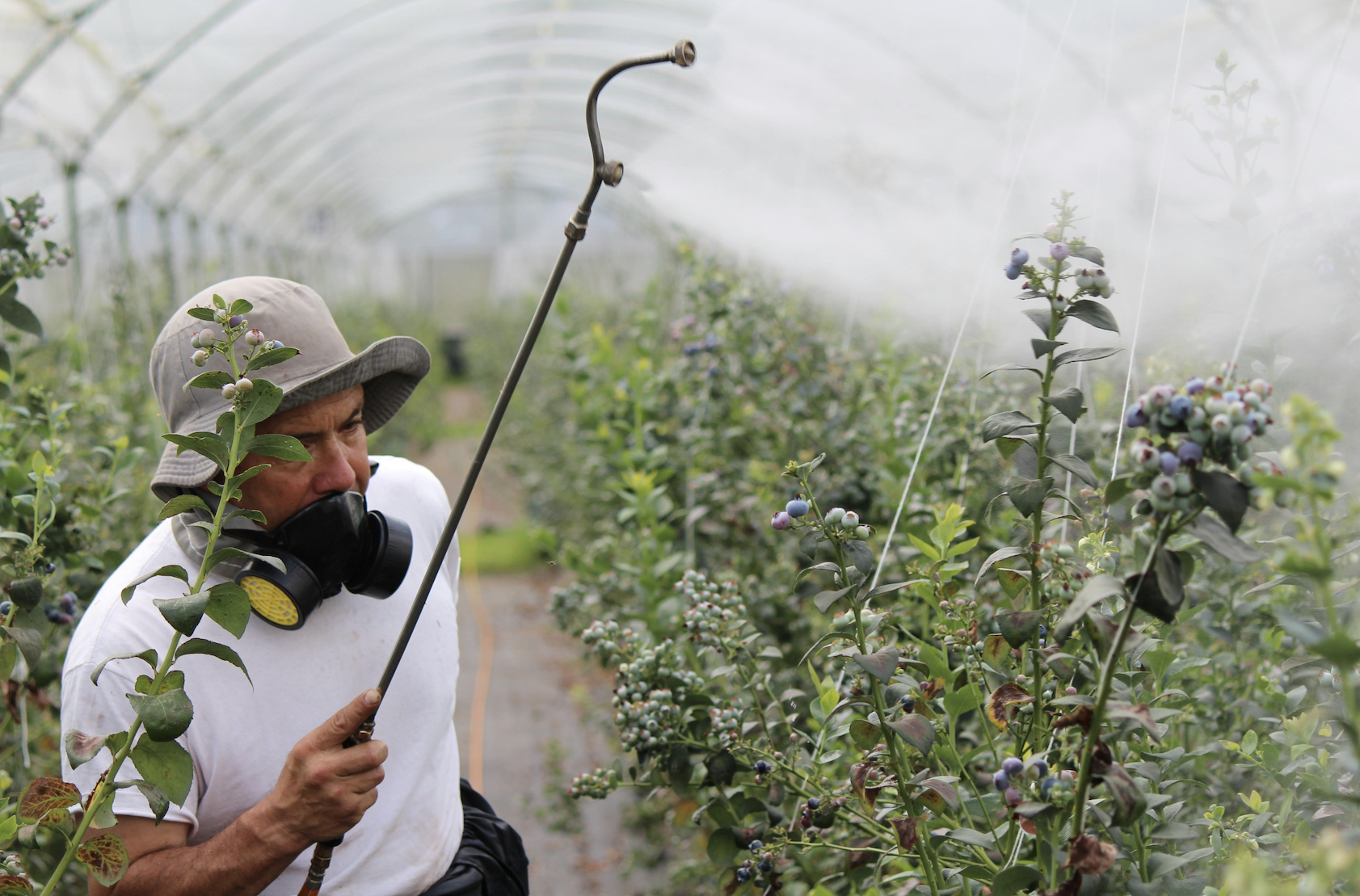
Glyphosate is one of the most widely used herbicides in the world. It is an organophosphorus compound used in agriculture to control weeds. Since it was first brought to market in 1974, there has been a 100-fold increase in its use, mainly due to the emergence of glyphosate-resistant weeds and the commercialisation of genetically modified crops (such as the Roundup Ready soybean).
Why is there glyphosate in tap water?
When glyphosate is applied to crops, some of it seeps into the soil. It then gets into groundwater sources and surface water because of soil erosion and agricultural runoff.
What are the health effects of glyphosate?
Glyphosate has been classed as “probably carcinogenic in humans” by the International Agency for Research on Cancer (IARC). Studies show that glyphosate is neurotoxic and negatively impacts the immune system.
#3: Uranium and Radon
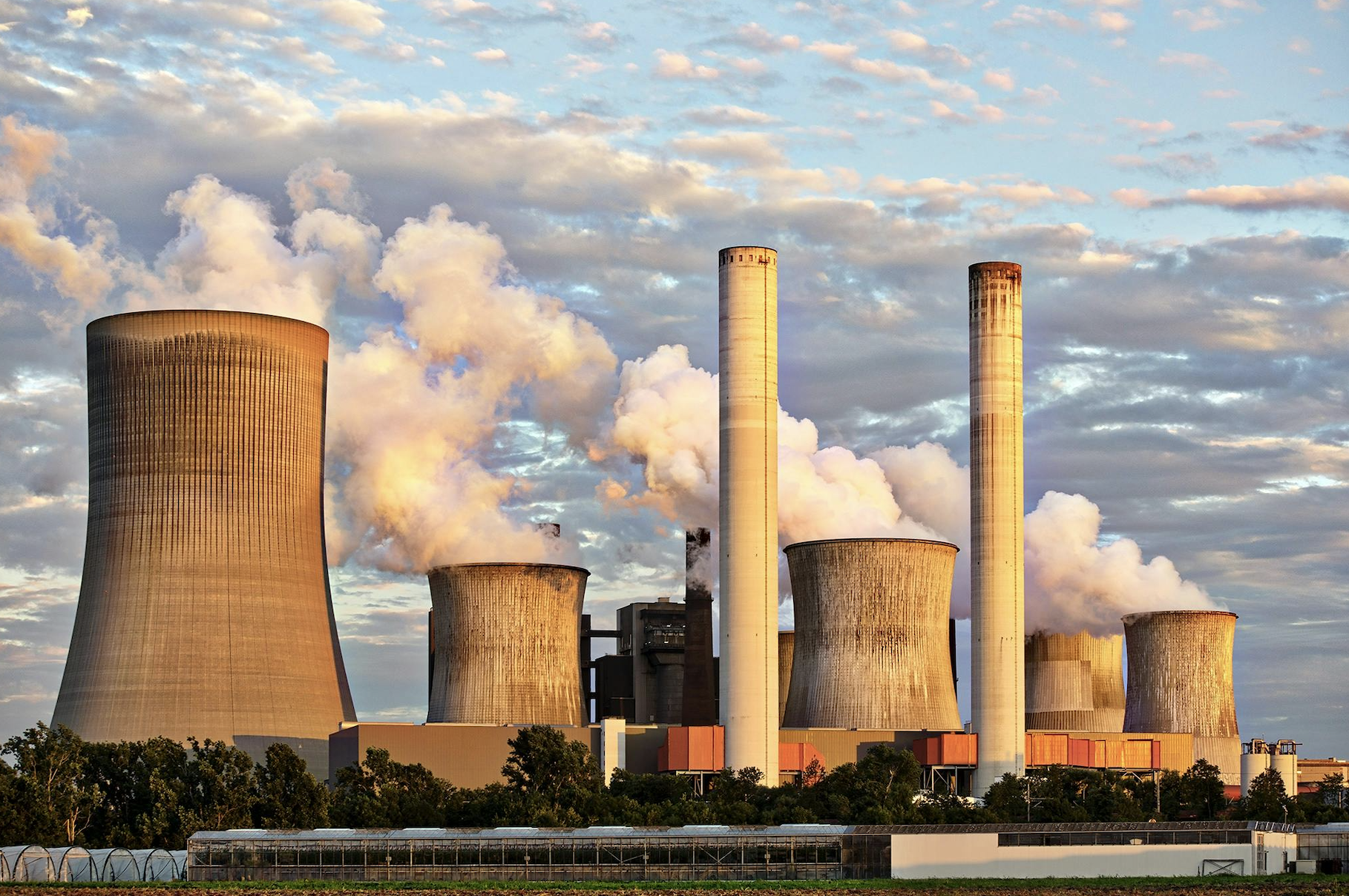
Uranium is a metal found naturally in the earth’s crust. It is used in the military sector to make weapons, and in the civilian sector to fuel nuclear power plants. Uranium decays into radon, a radioactive, colourless, odourless, and tasteless gas.
Why is there uranium & radon in tap water?
Uranium is present in groundwater sources, particularly those in contact with crystalline rocks. Where uranium is present, so is radon. Water stored in rock or soil aquifers naturally contains some uranium, which decays into radon, and this ends up in our tap water. Water sources close to nuclear plants and military laboratories are also likely to become contaminated with radioactive chemicals, including radon.
What are the health effects of uranium & radon?
Uranium has toxic effects on the cardiovascular system, liver, and nervous system. Radon damages the lungs and has been linked with lung cancer.
#4: Chlorine
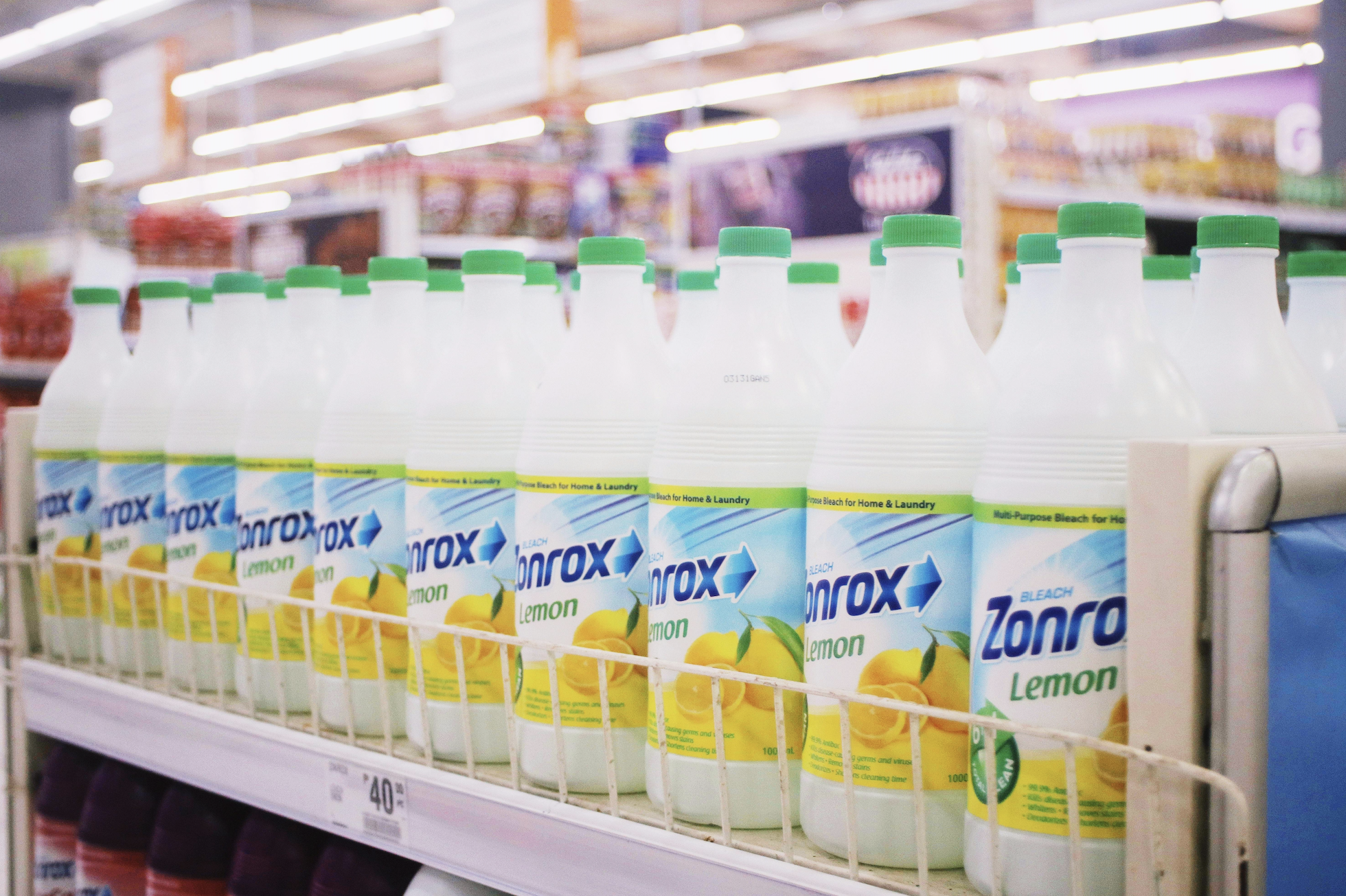
Chlorine is a chemical used to make bleach, pesticides, rubber and solvents. It is also used as a disinfectant.
Why is there chlorine in tap water?
In many countries, chlorine is part of the water treatment process. Chlorine is added to raw water in order to kill pathogens (such as bacteria, viruses and parasites) and algae.
What are the health effects of chlorine?
Chlorine can react to certain impurities in the water, creating by-products called trihalomethanes. Trihalomethanes are carcinogens, and chlorinated water has been associated with an increased risk of bladder cancer.
#5: Lead
Lead is a heavy metal that was commonly used in construction and plumbing, as well as paints, batteries, weights and lead gasoline (lead-containing diesel).
Why is there lead in drinking water?
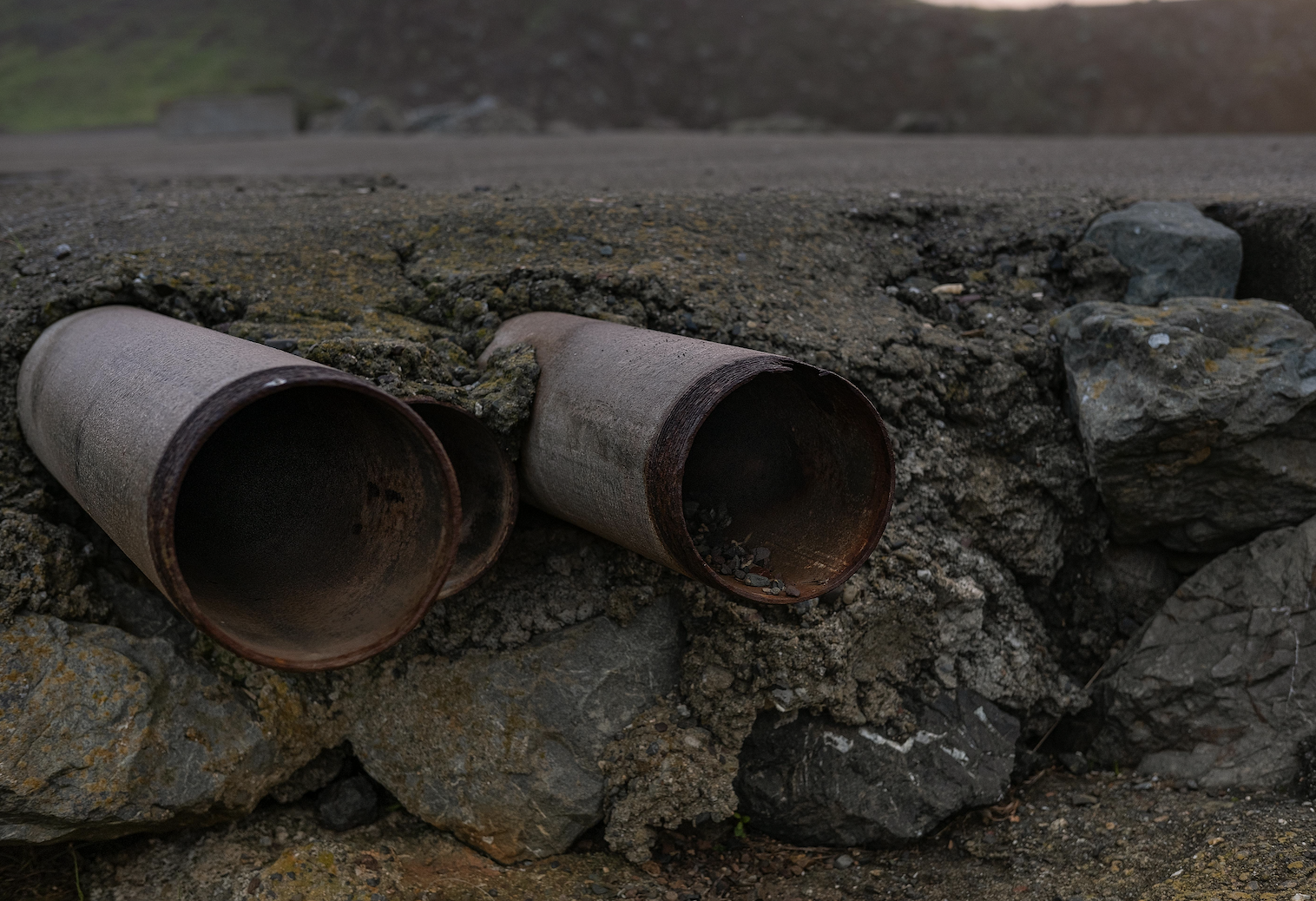
While its use began to be banned in the 1960’s, some lead still remains. For example, some older properties still have lead piping. In certain countries, some public water network pipes are still made of lead.
What are the health effects of lead?
Lead is a known neurotoxin. It accumulates in the body and interferes with the body’s natural processes, causing behavioural problems, brain damage, and cardiovascular issues. It is particularly harmful to children and pregnant women.
#6: Other chemical residues
Chemical residues are small amounts of chemicals that come from various sources, such as: plastic pipes, pharmaceuticals, and other pollutants.
Materials used to make water transport pipes
Studies show that PVC pipes can leach chemicals such as bisphenol A, aldehydes, aromatic hydrocarbons & terpenoids into water.
Pharmaceuticals
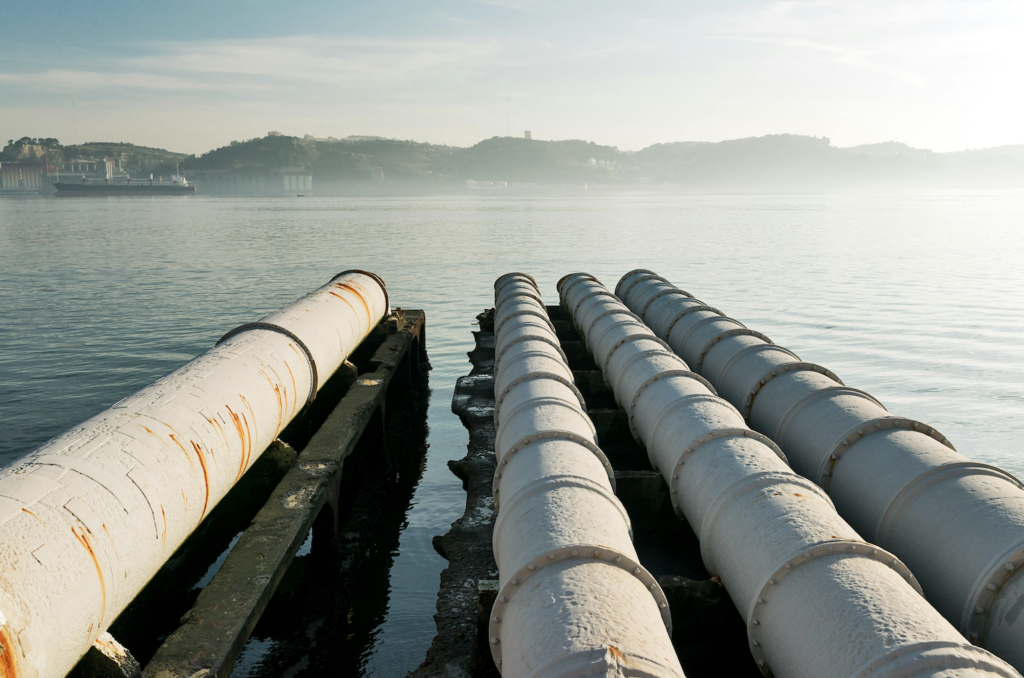
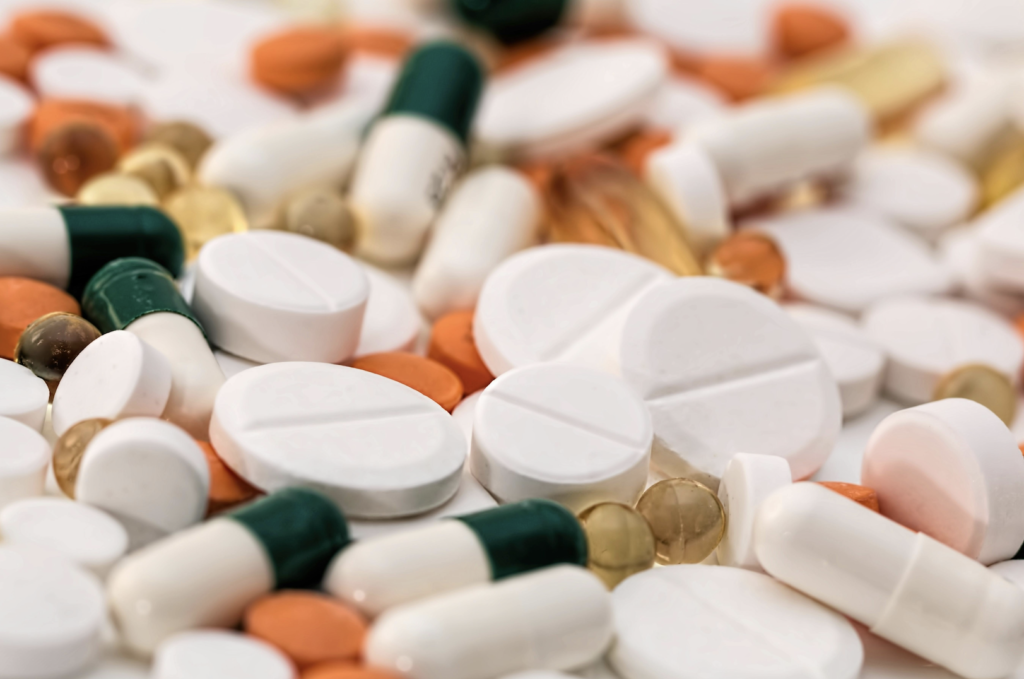
Human drugs end up in sewage/wastewater treatment plants & can leach into the soil/surface water. Veterinary drugs & feed additives in liquid manure also end up in the soil/groundwater from which drinking water is extracted.
Pesticides & herbicides
Organophosphate insecticides (chlorpyrifos & diazinon) and specific herbicides (alachlor & metolachlor), have all been found in surface water & ground water sources across Europe.
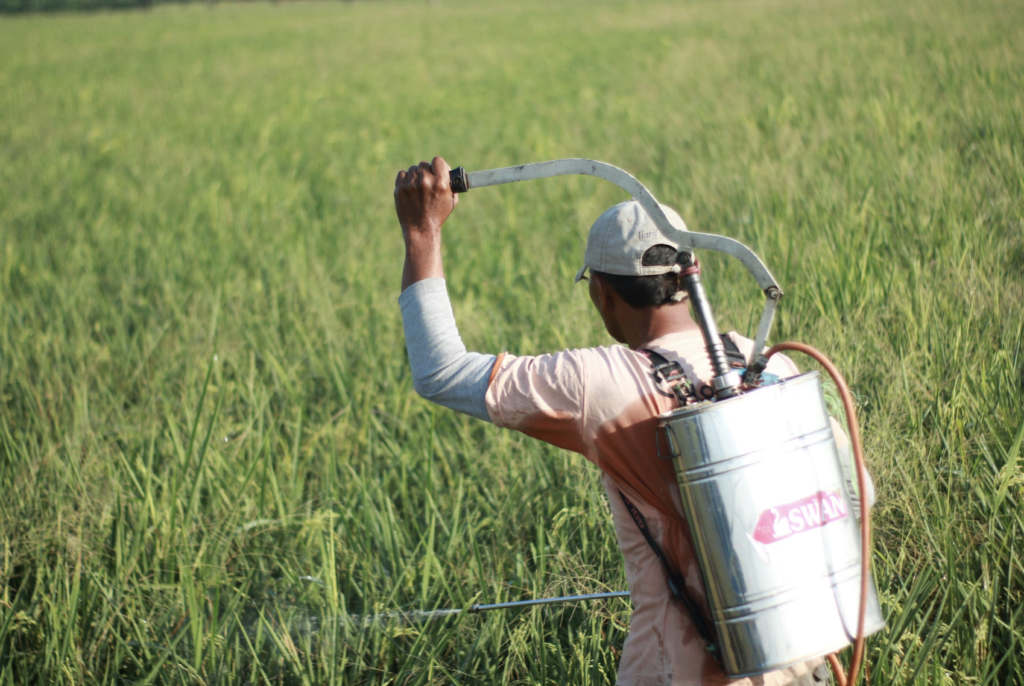
What are the health effects of these chemical residues?
These chemicals are neurotoxic (chlorpyrifos, diazinon) and endocrine disrupting (plastics, certain pharmaceuticals). Worryingly, few studies have looked into the effects of long-term chronic exposure to the cocktail of chemicals in drinking water and in our environment.
Pure water is essential for health
Now more than ever, it is vital to make our health a priority. Water is an essential part of this. One of the pillars of a healthy body is adequate hydration, and that means drinking 1.5-2 litres of clean water daily. While there are water treatment processes in place, they often fall short of providing water that is completely free from harmful chemicals.
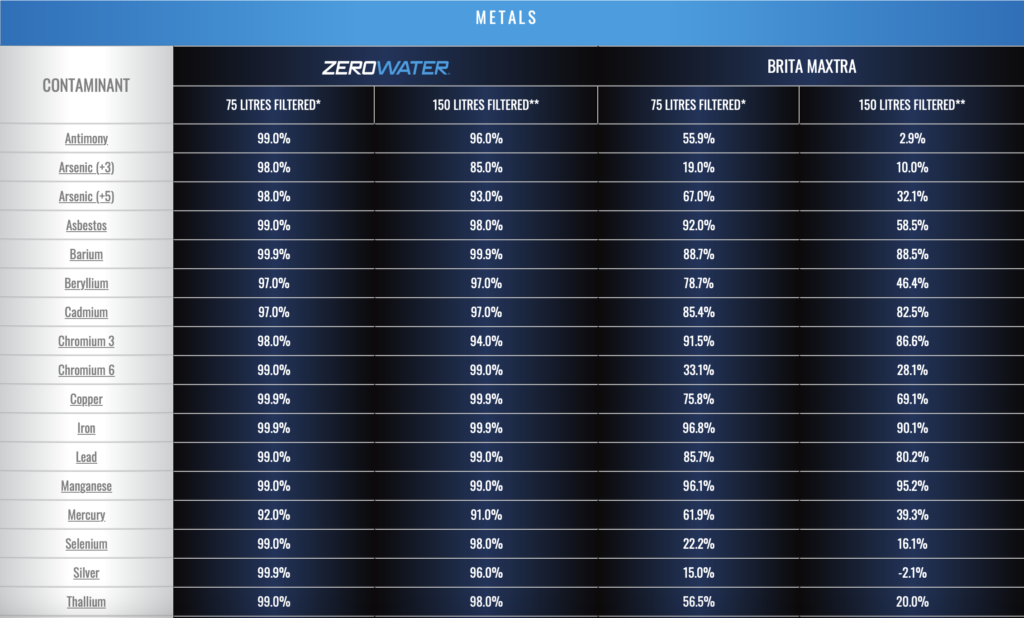
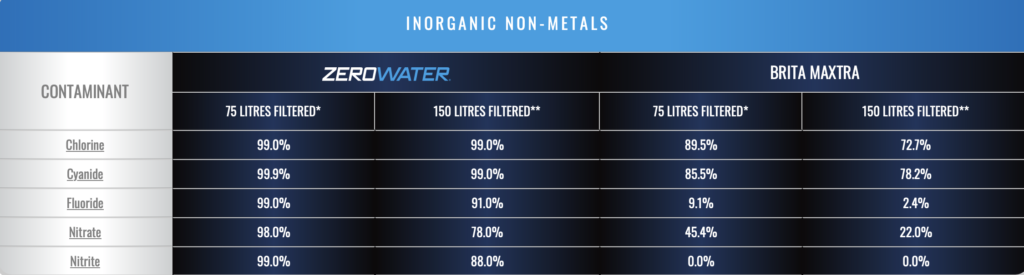
If you want to make sure the water you drink is pure, it is important to use a high-quality filter. ZeroWater removes 99% of lead, PFAS, glyphosate, chlorine, radon, AND MORE. See the charts below for a list of the other contaminants that ZeroWater filters out, as well as the TDS (total dissolved solids) it removes in comparison to the Brita filter.